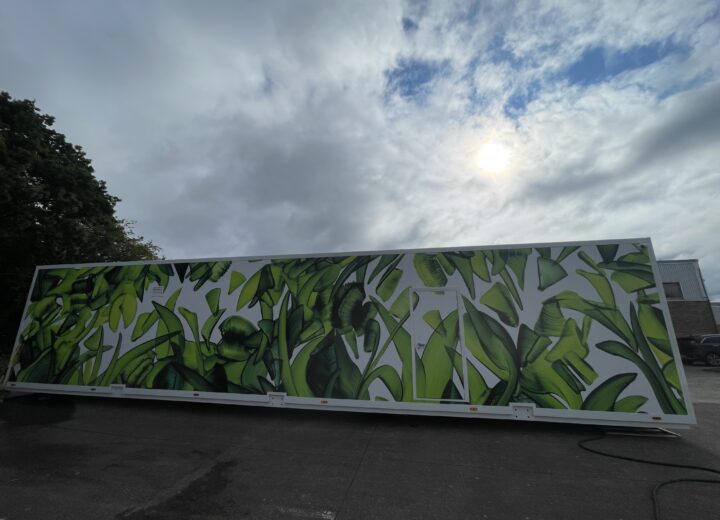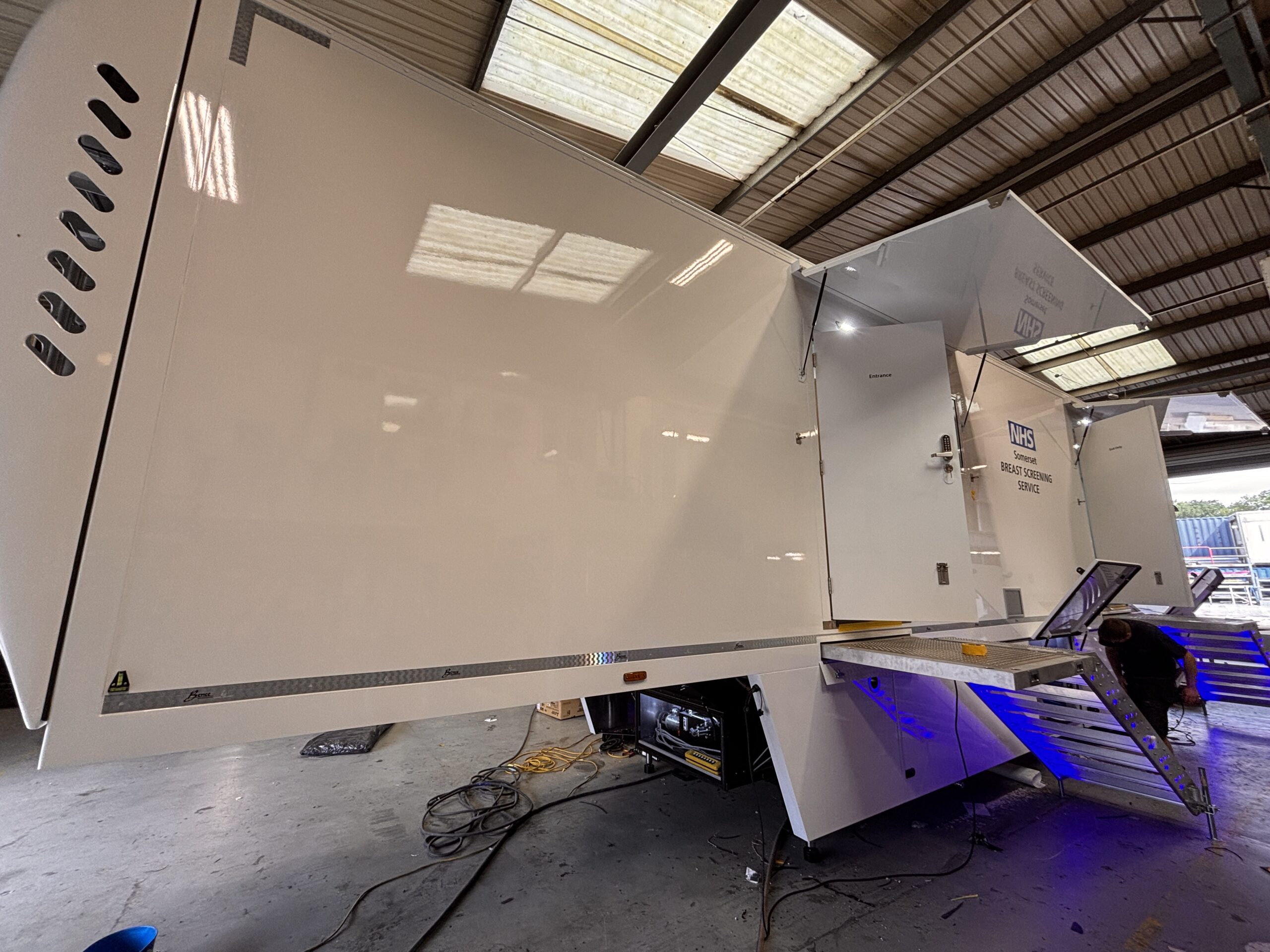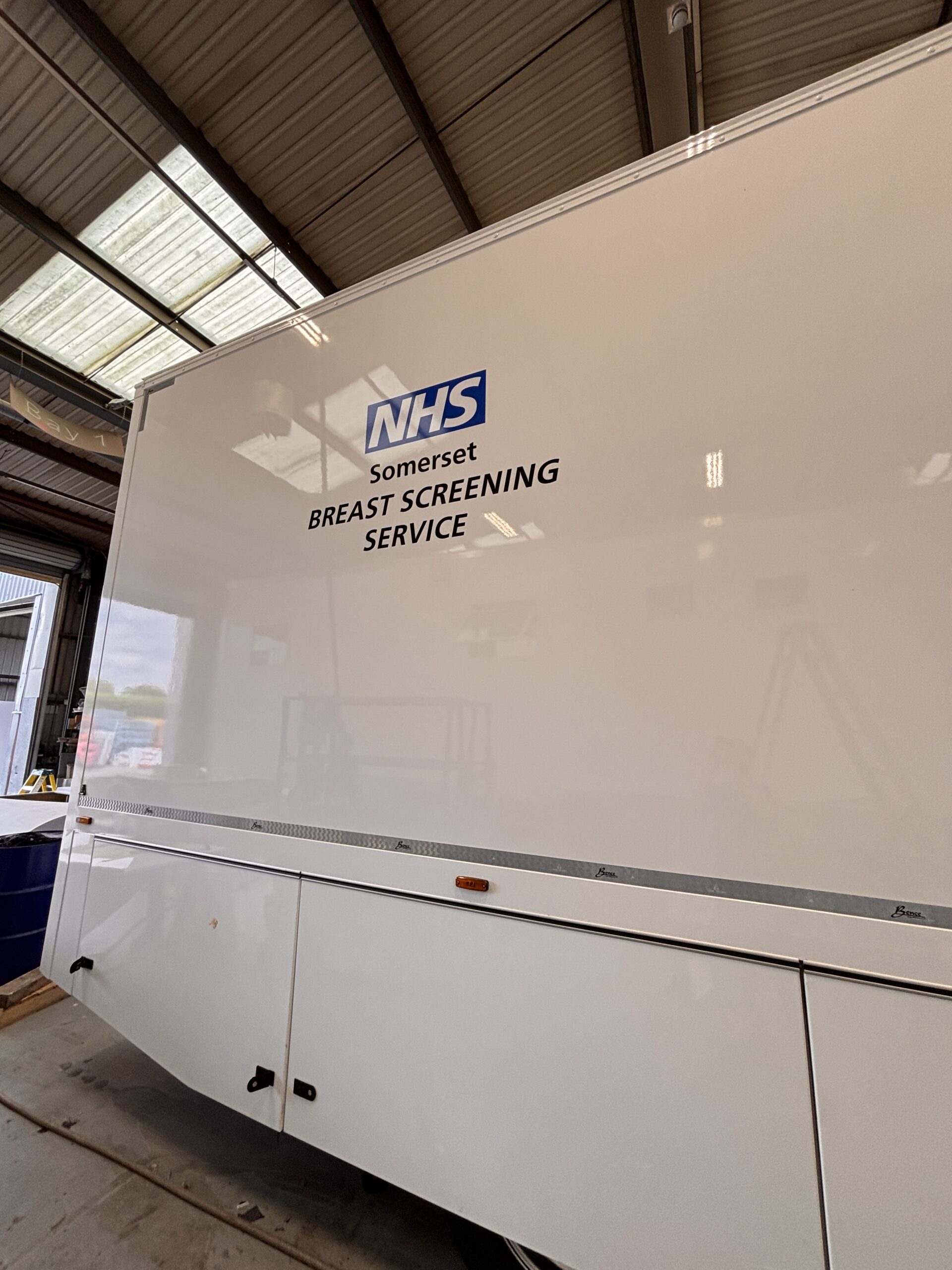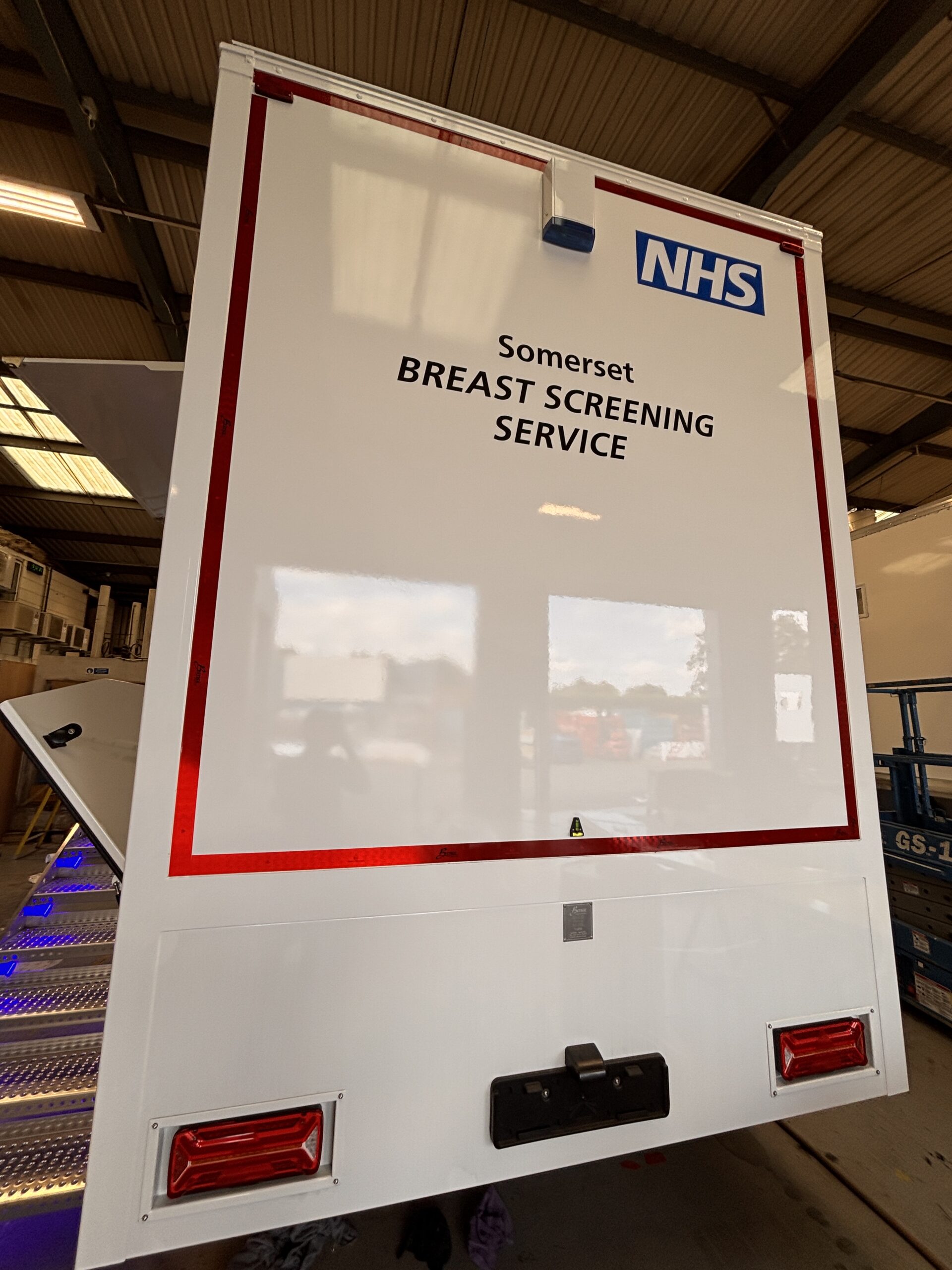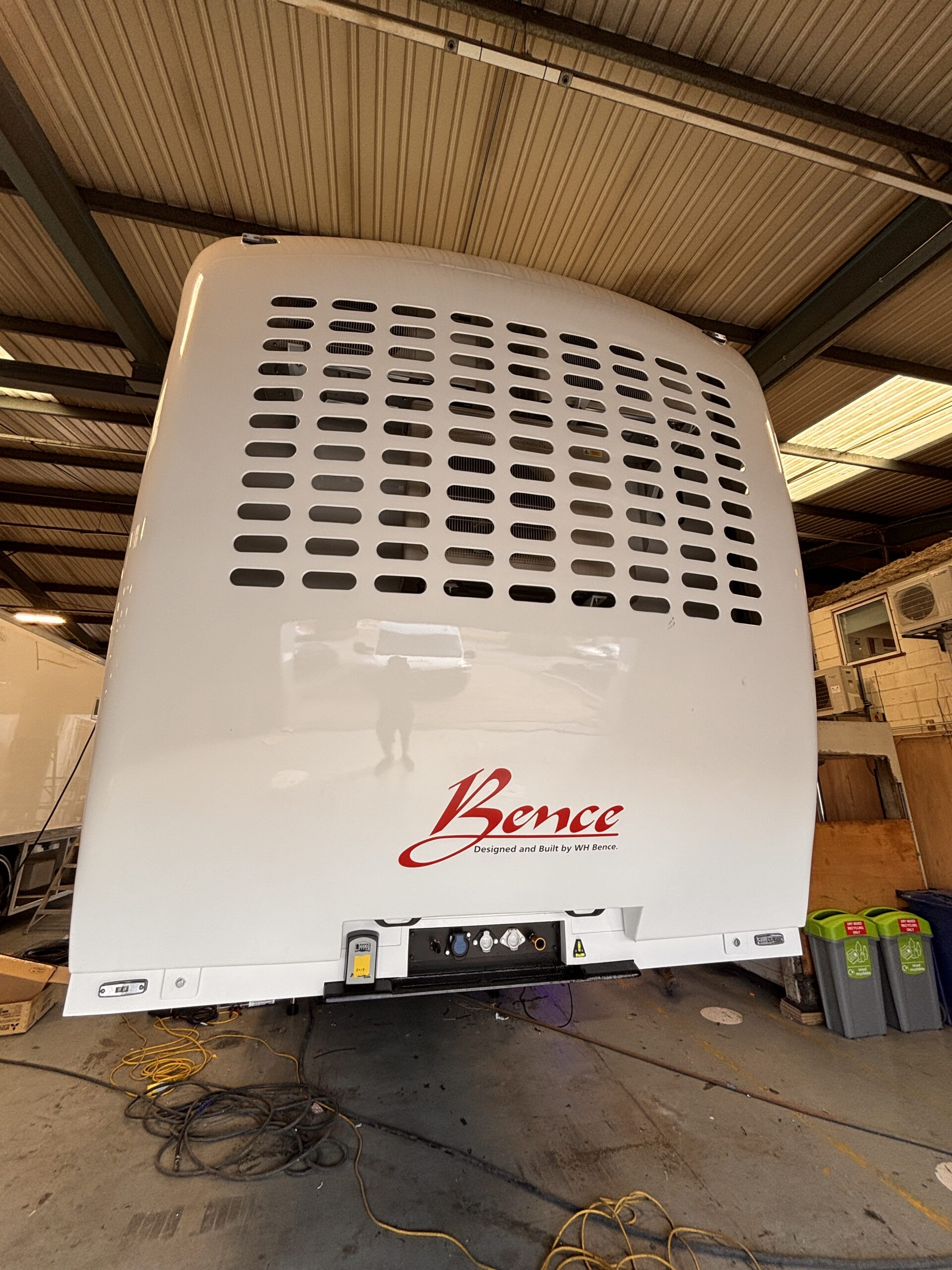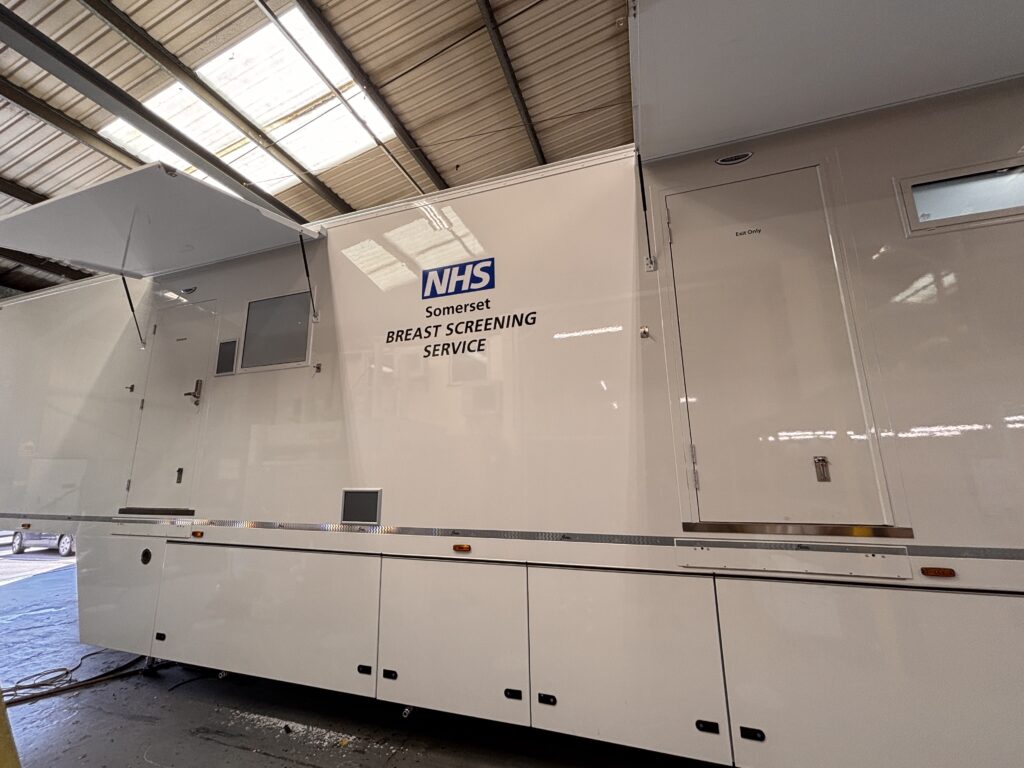
Designed and manufactured by WH Bence for Somerset NHS
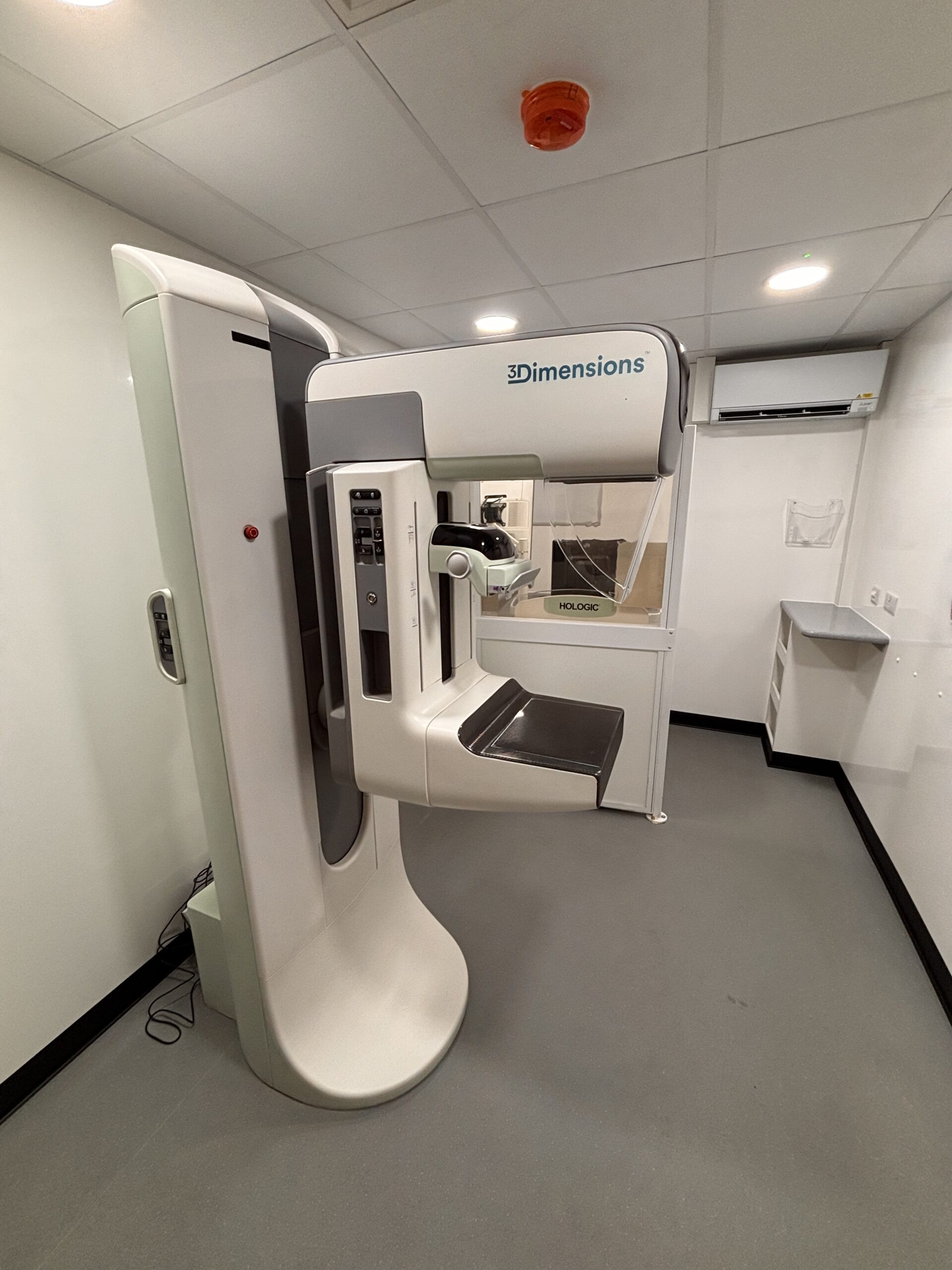
Foundation Trust, these two mobile breast screening units provide
self-contained clinical facilities for Hologic 3Dimensions mammography
equipment. Each 12 m single-axle trailer
is approximately 2.54 m wide, 4 m high and has an approximate unladen weight of
19,000 kg. Four hydraulic lifting and
levelling legs, two front wind-down legs and an emergency hydraulic override
provide a stable screening platform, while slide-out entrance and exit
platforms, steps, handrails and canopies support safe patient access and a
one-way route through the unit.
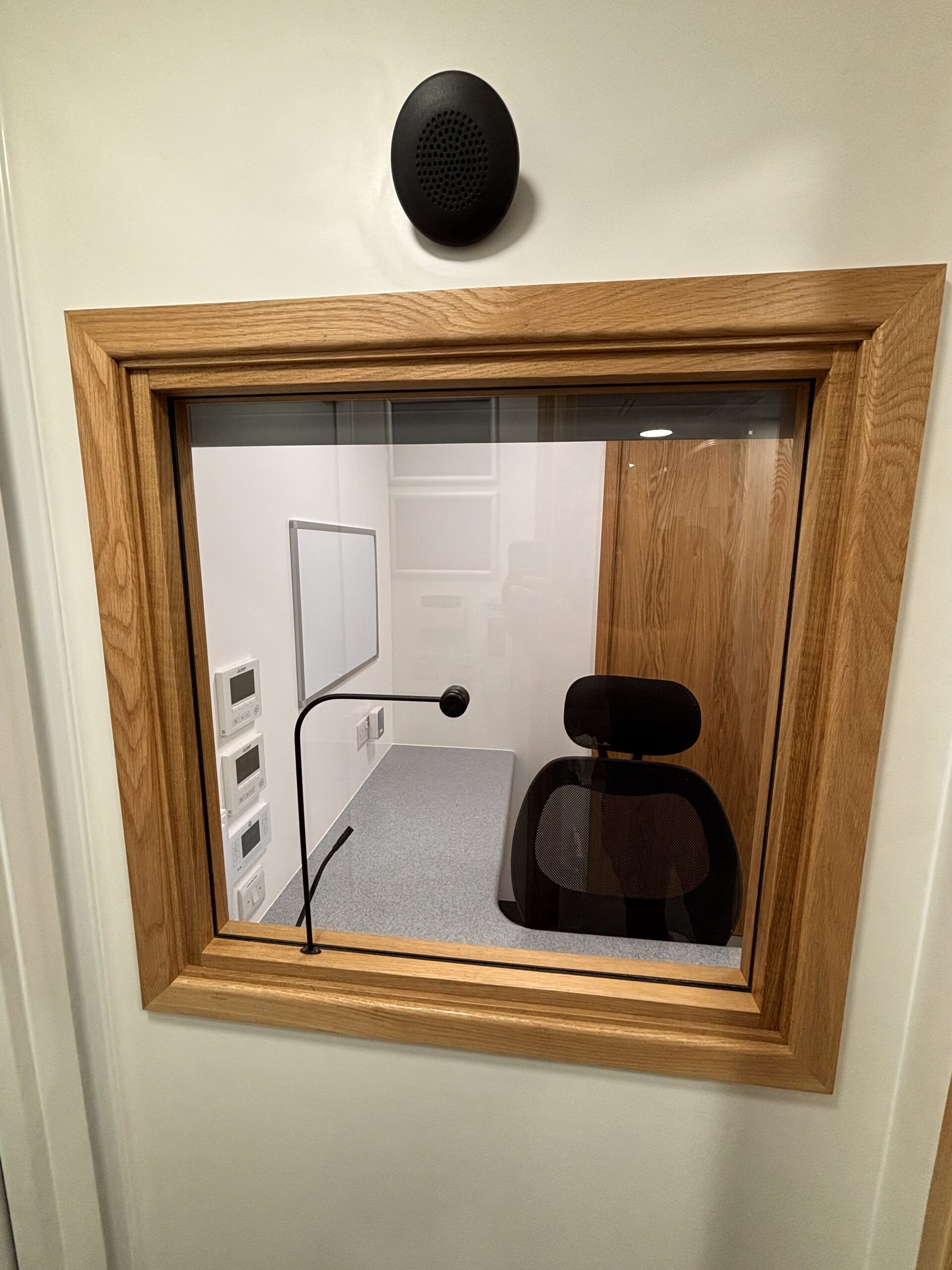
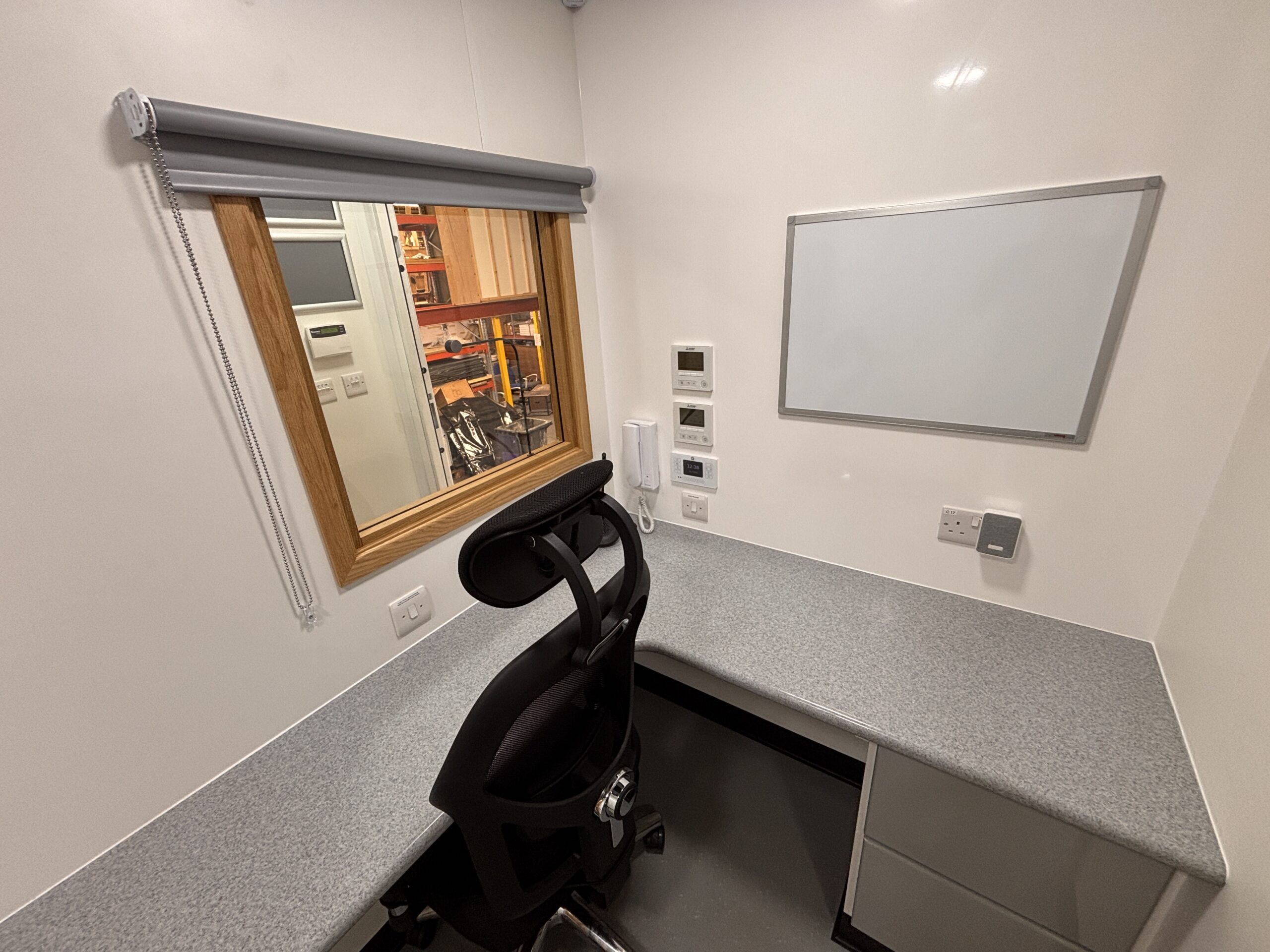
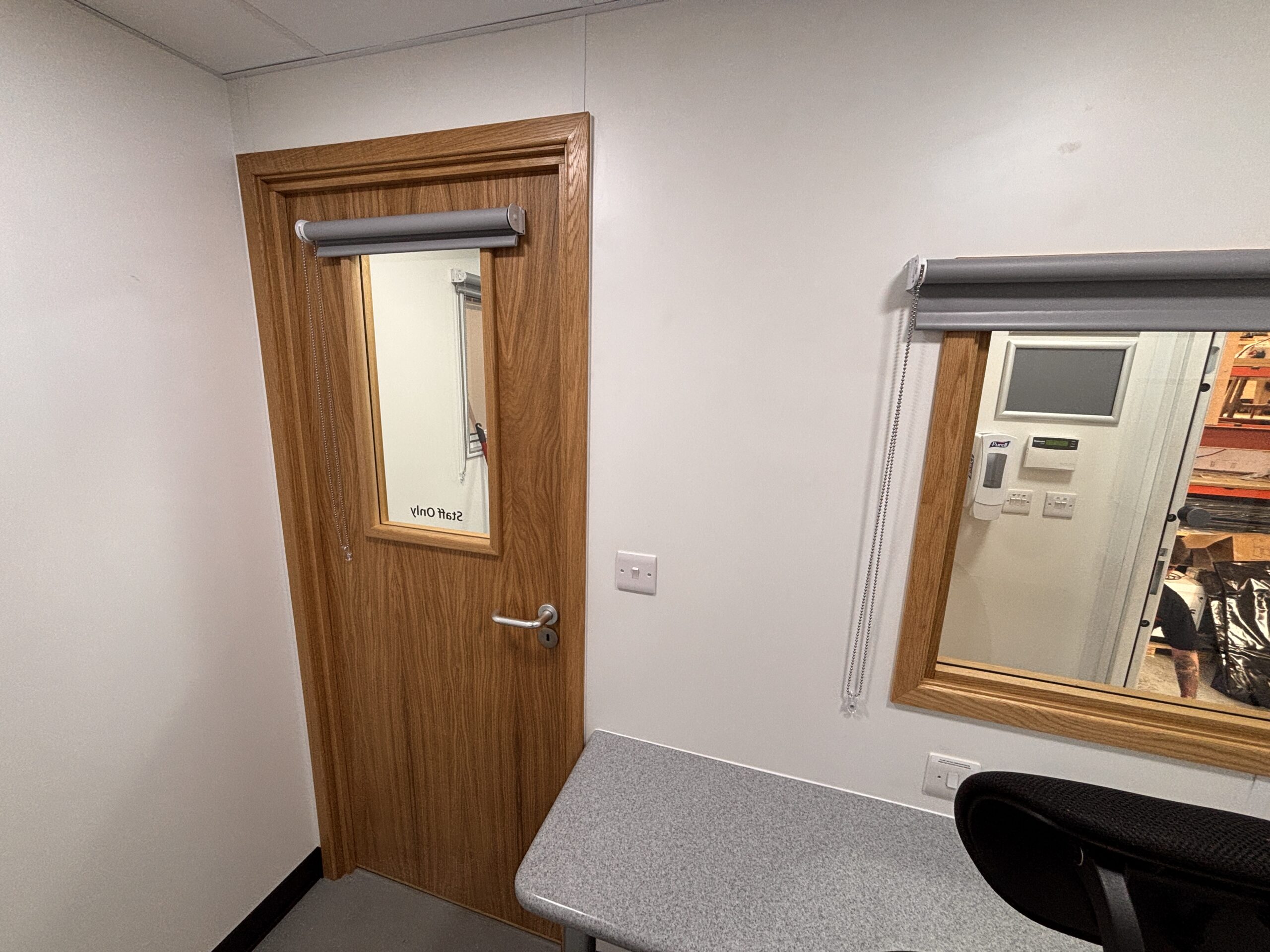
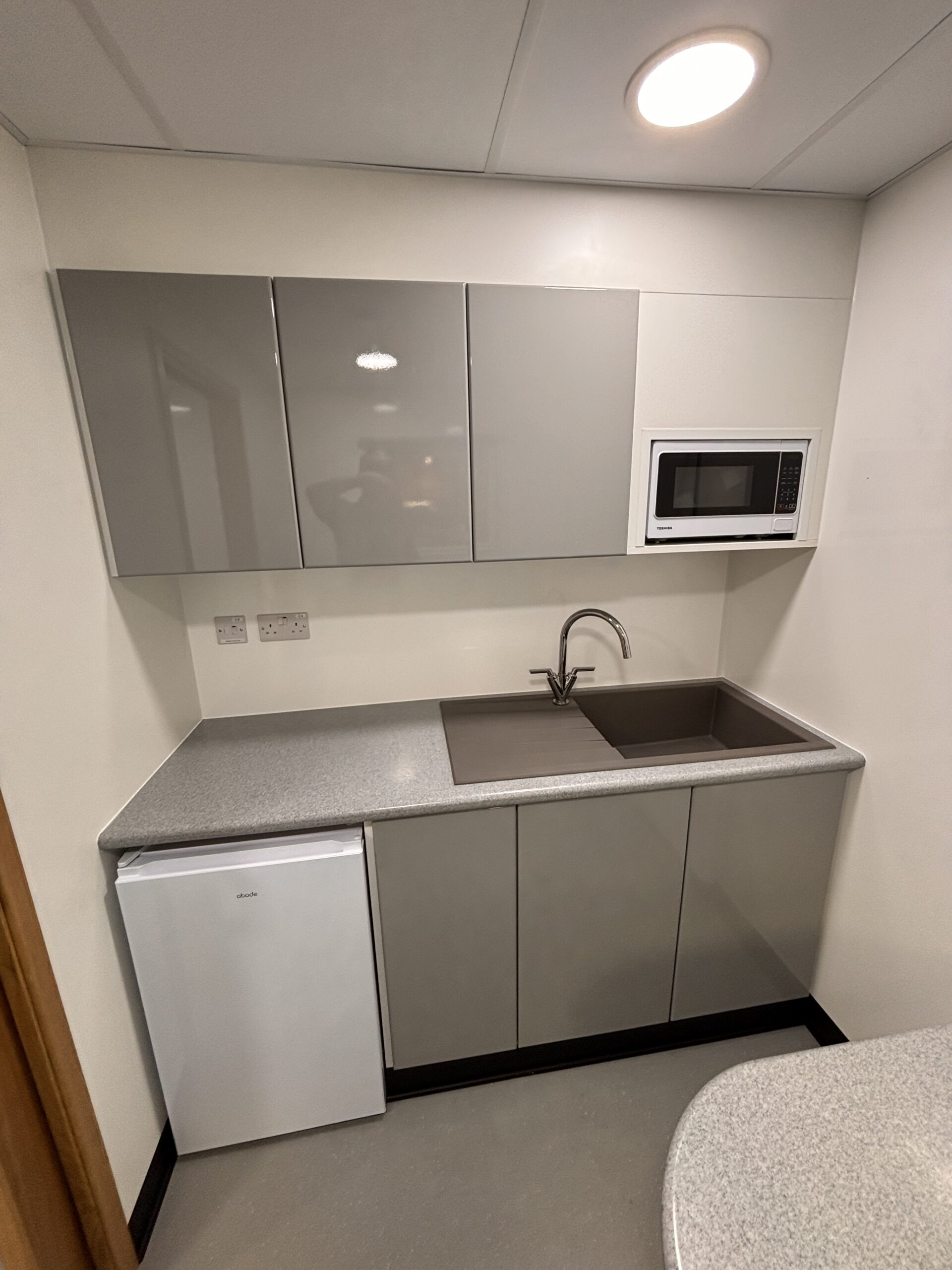
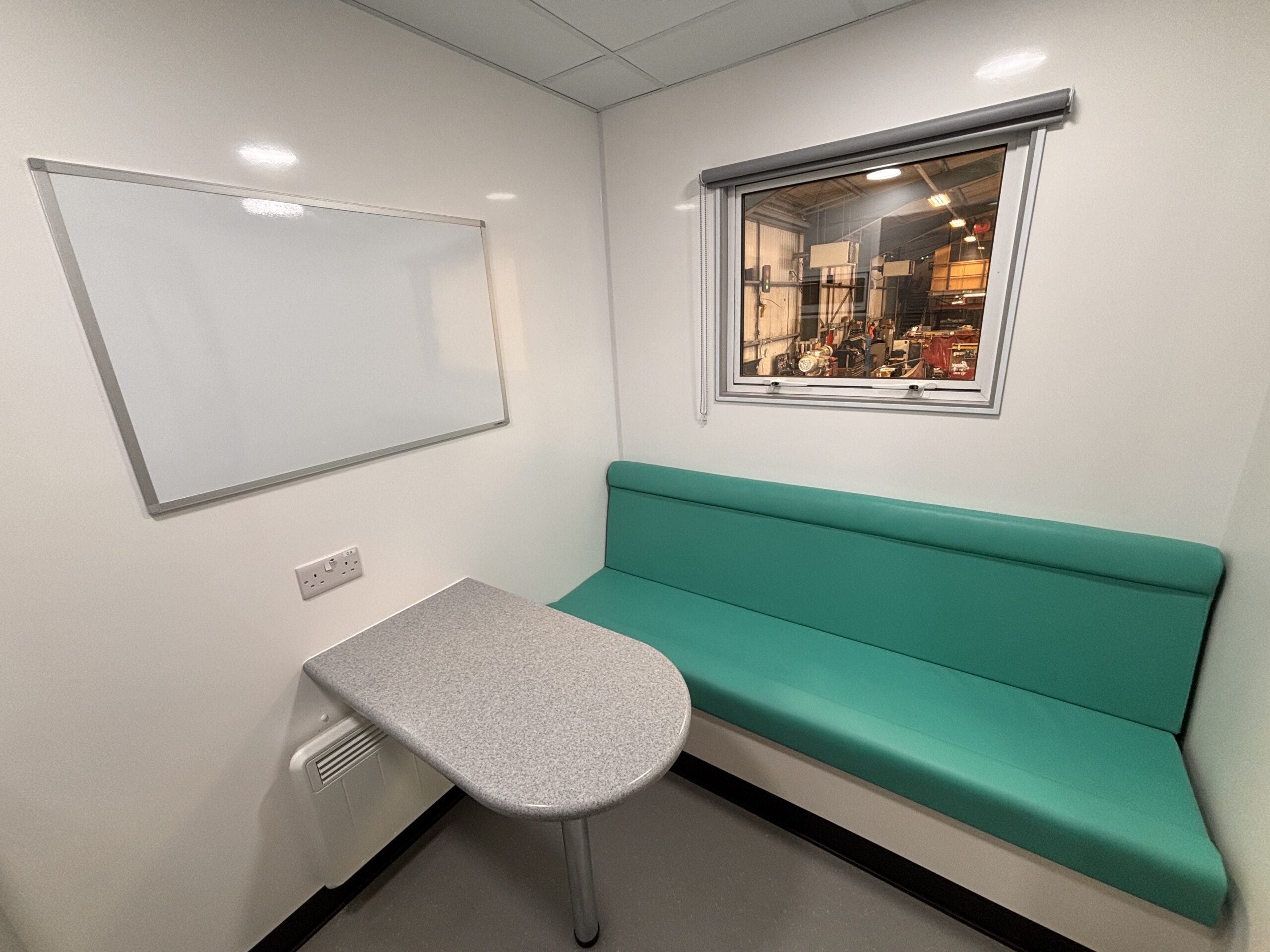
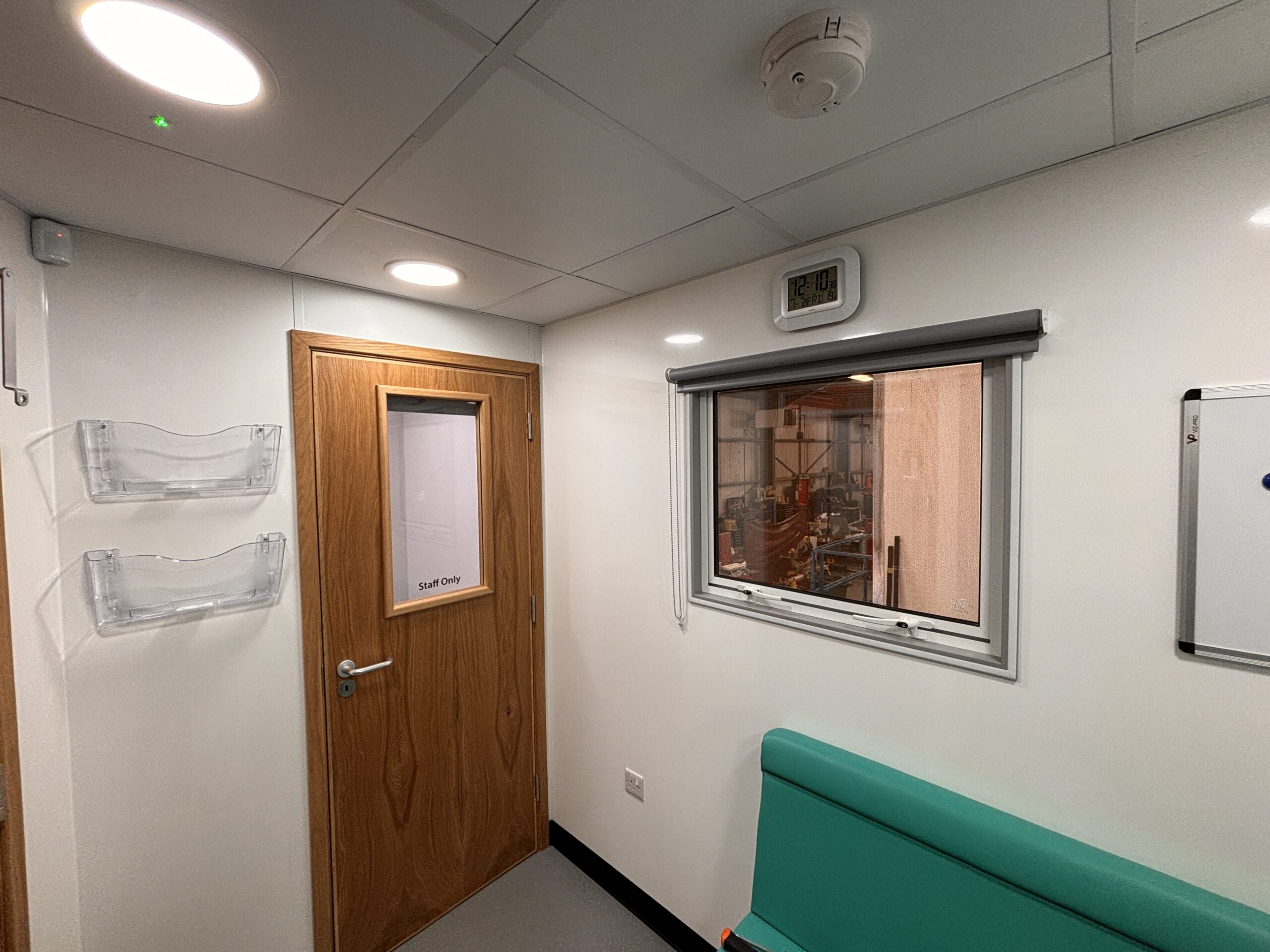
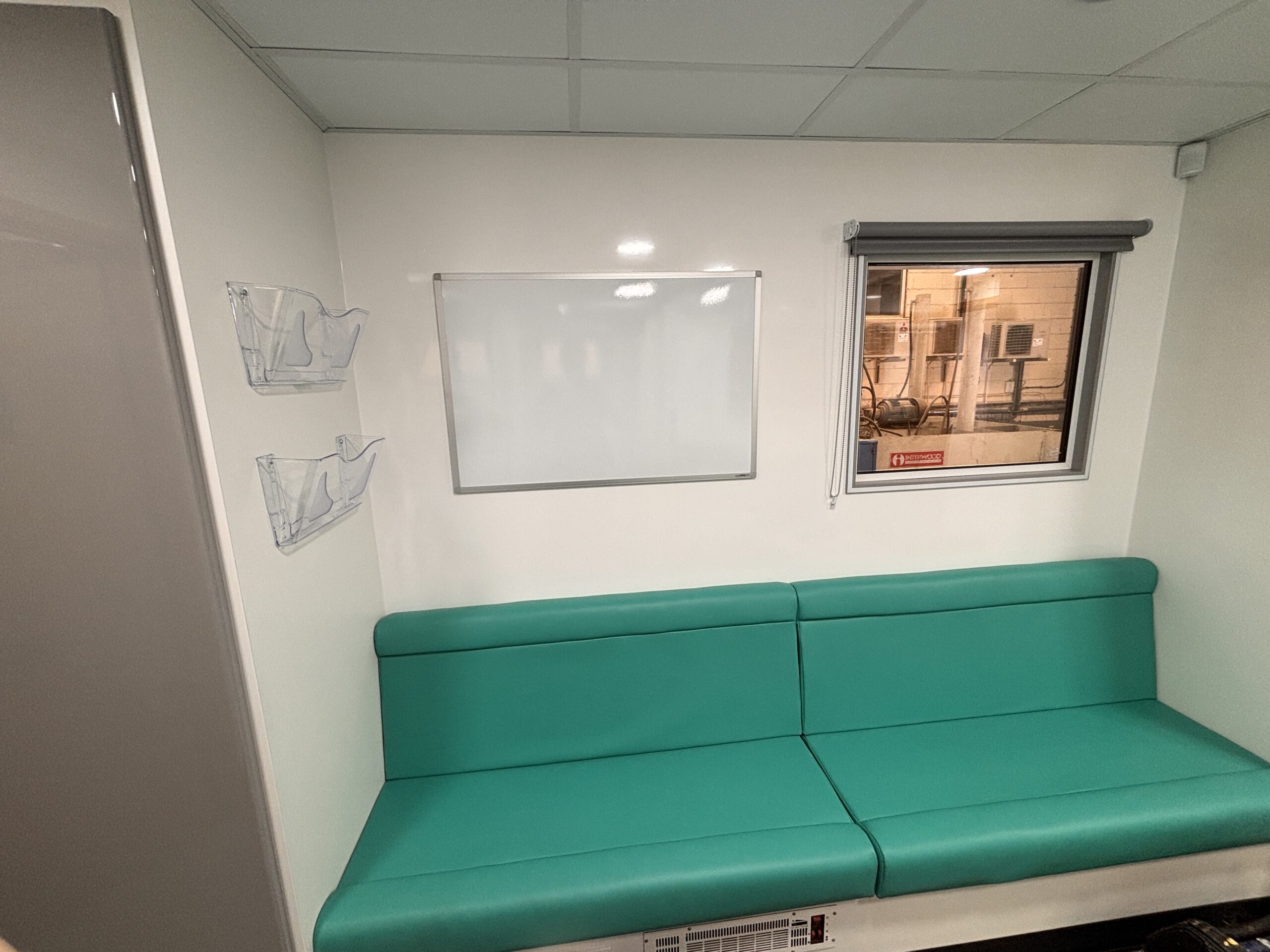
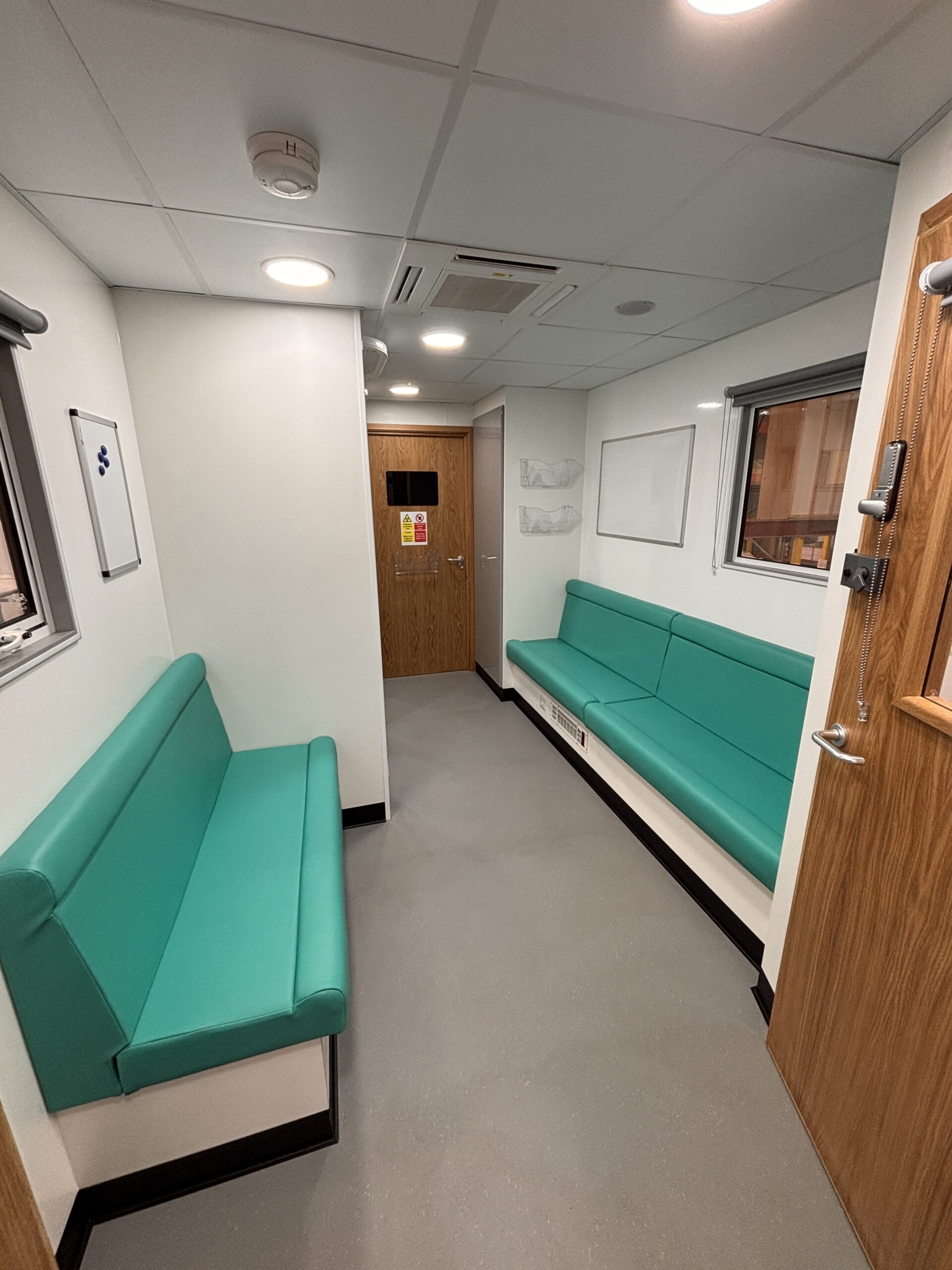
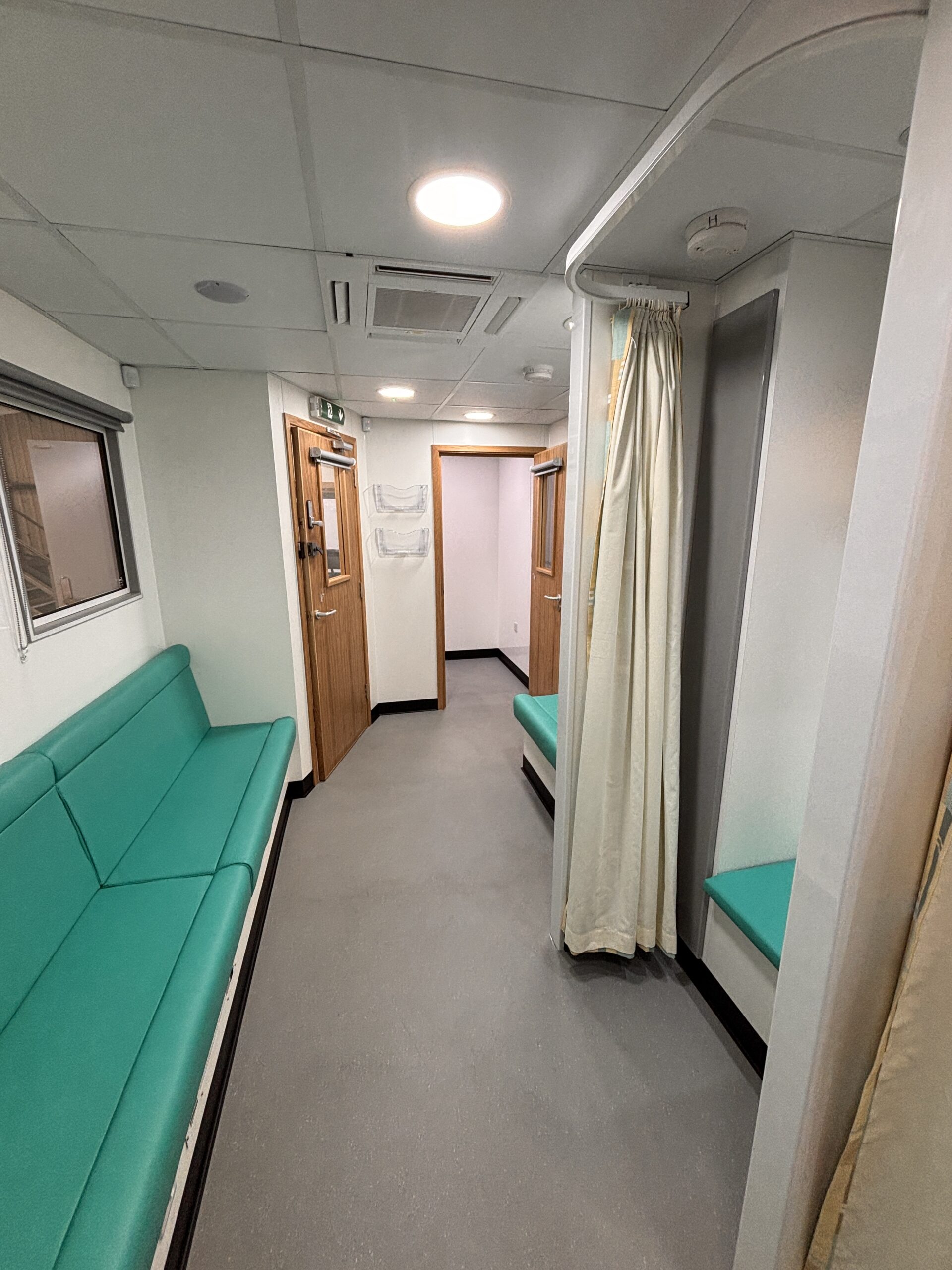
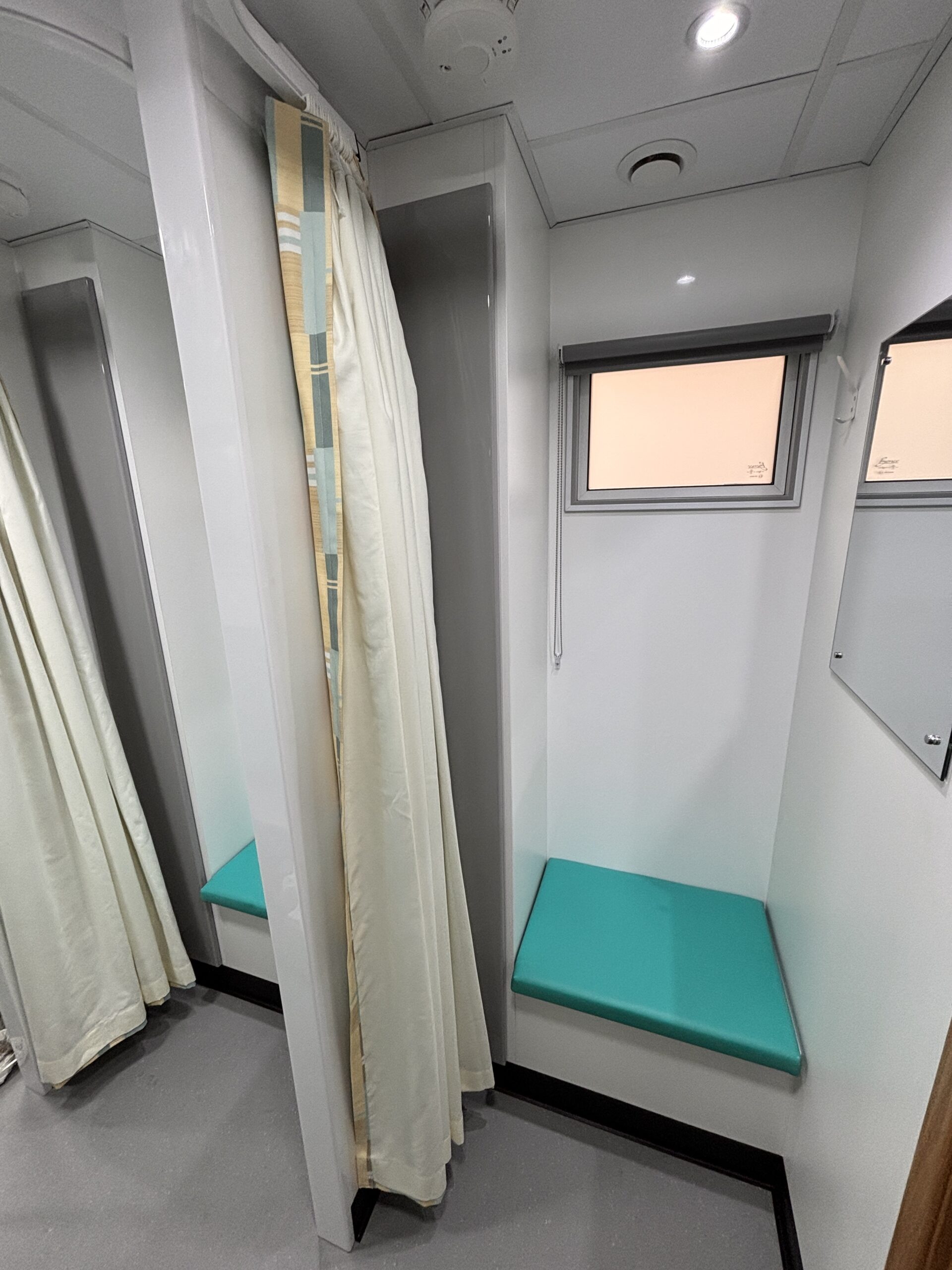
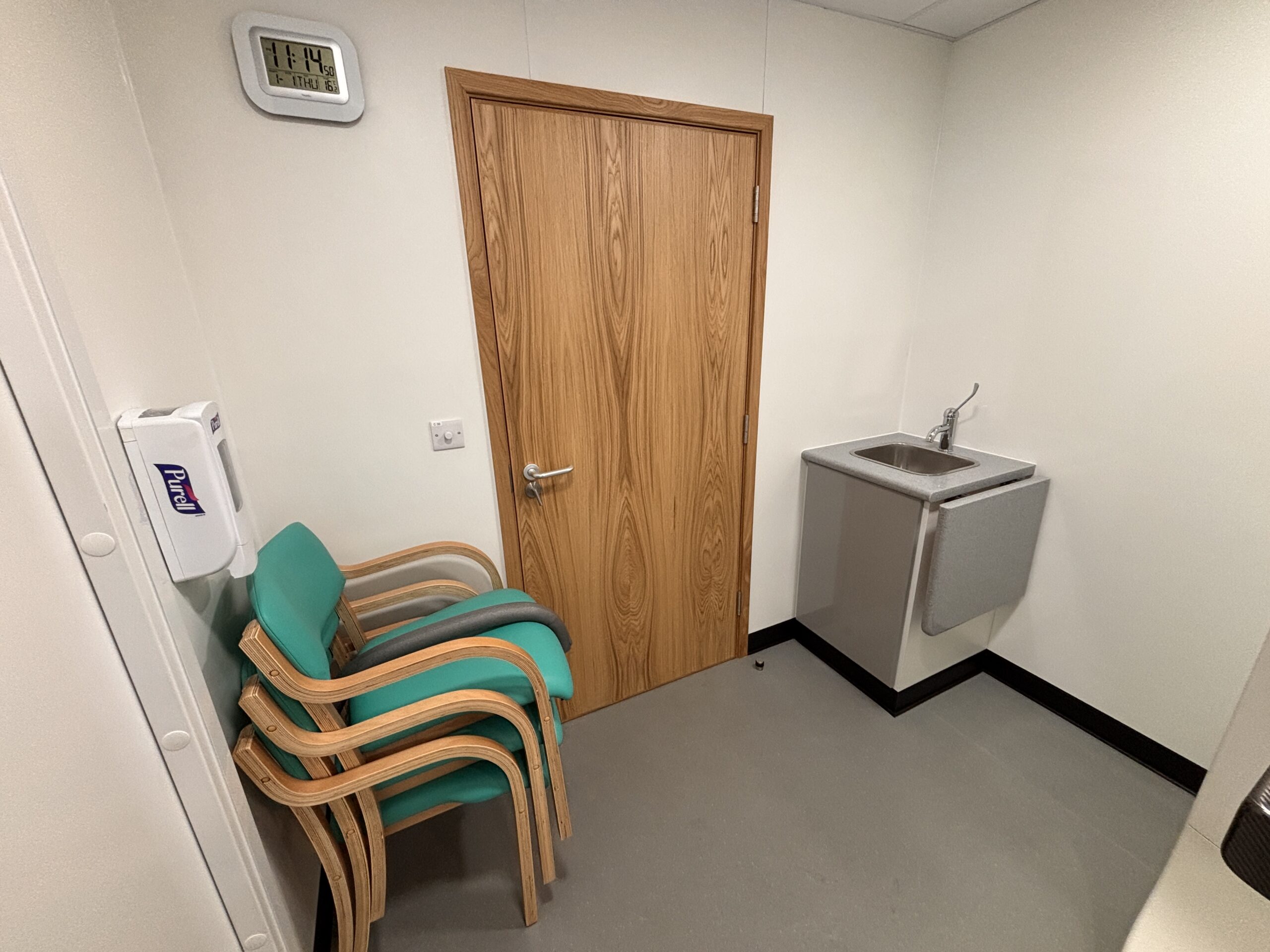
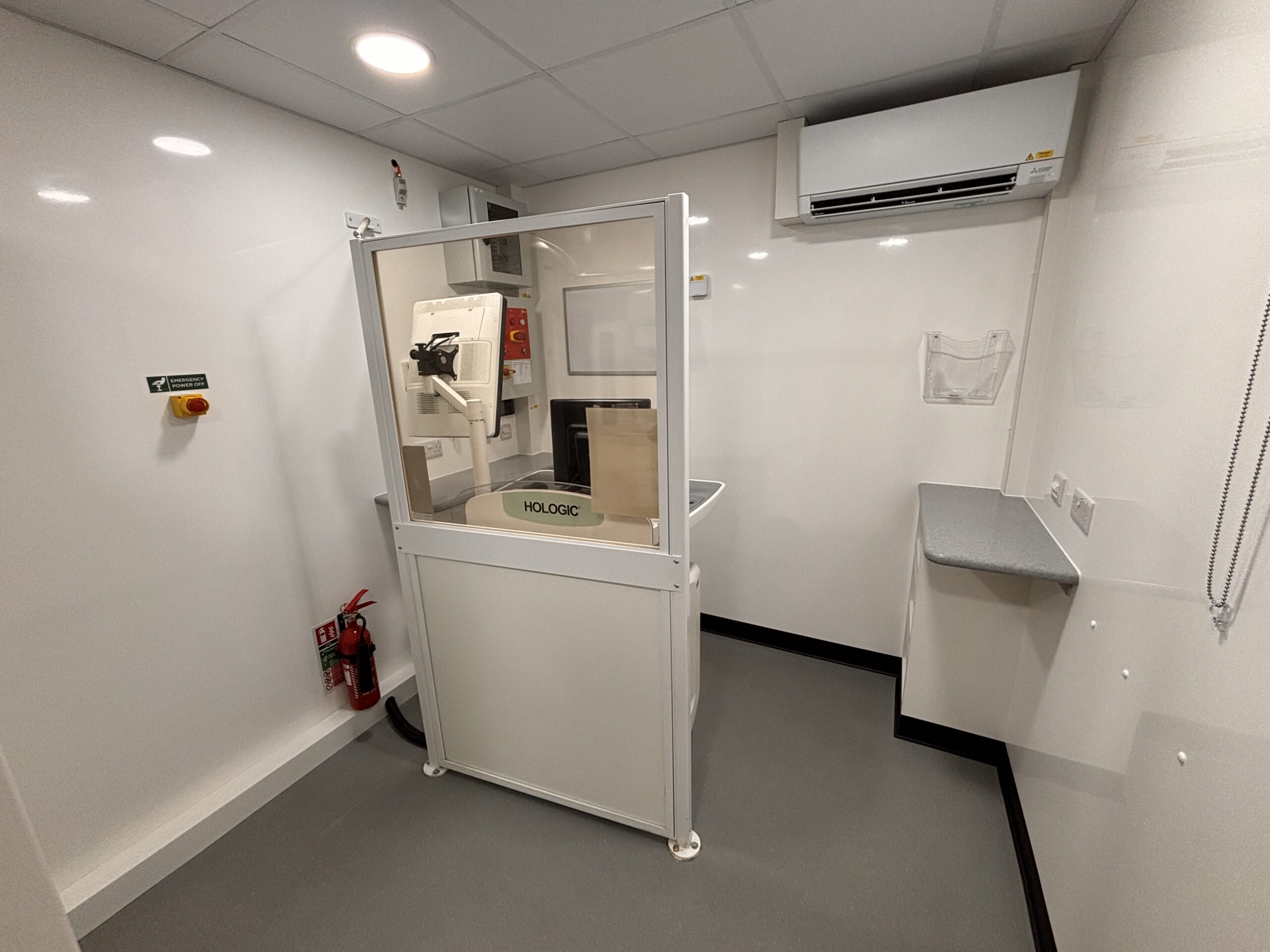
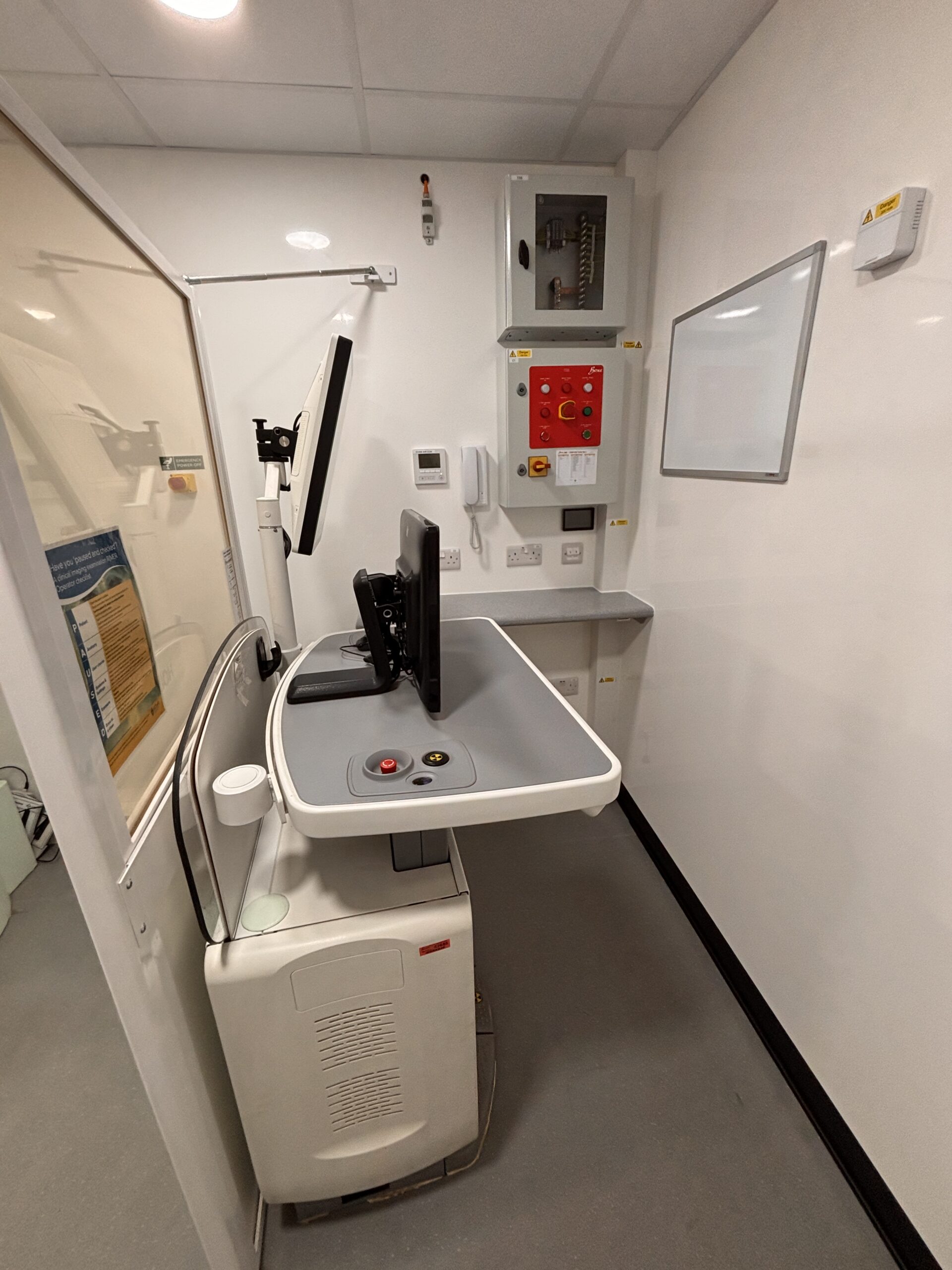
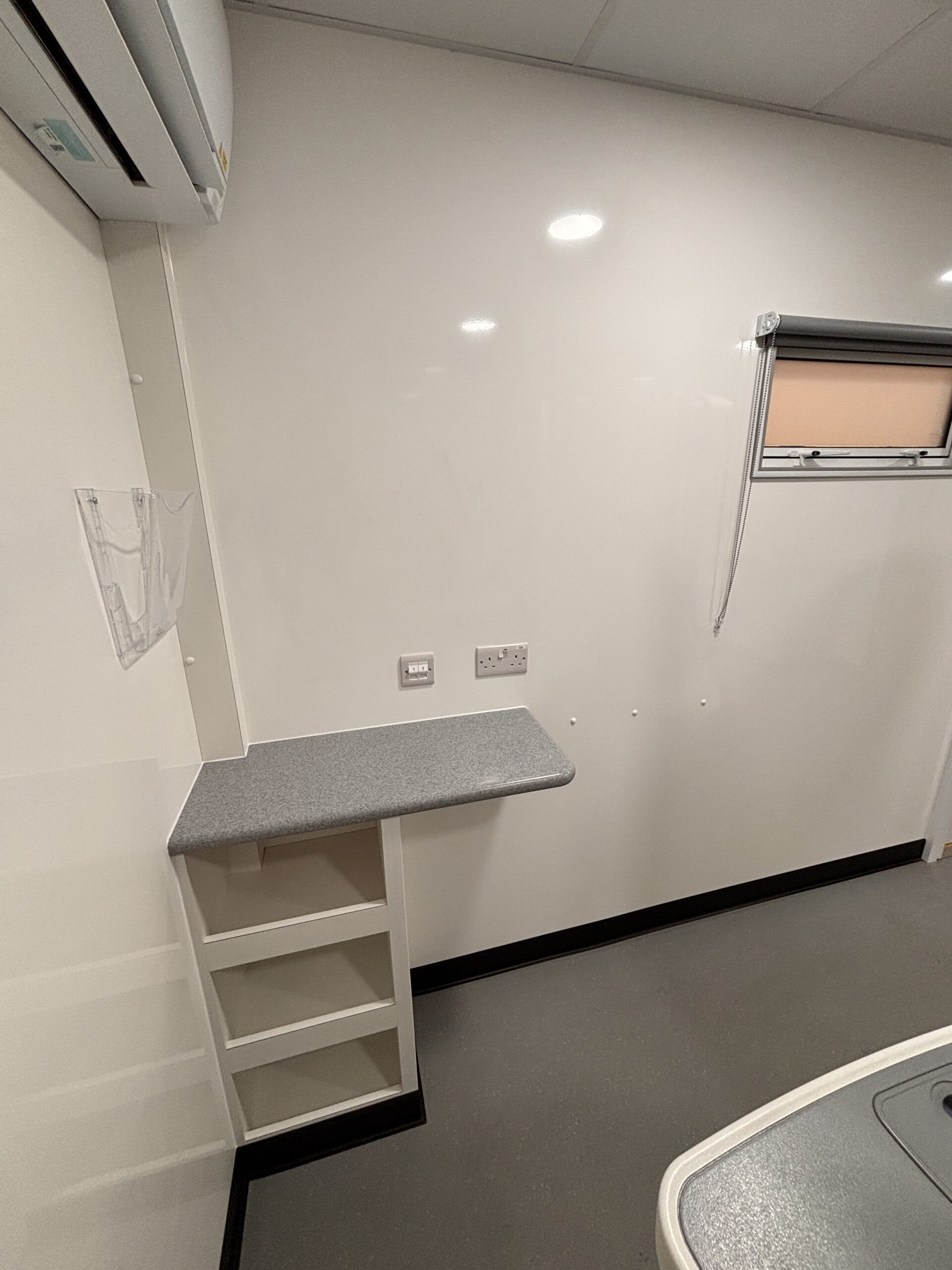
The internal layout includes a reception area, waiting area,
two curtained changing cubicles, an X-ray room and a separate staff room with
kitchenette. Radiation protection is
incorporated through three-millimetre aluminium shielding within the
imaging-room walls, together with steel protection in the floor and access
doors. Wipe-clean GRP wall finishes,
medical-grade non-slip flooring, independent climate control, fresh-air
ventilation, HTM-compliant handwashing facilities, fire and security alarms,
panic alarms, IFM monitoring, CAT6A networking and intercom systems support
daily clinical operation. Each unit is
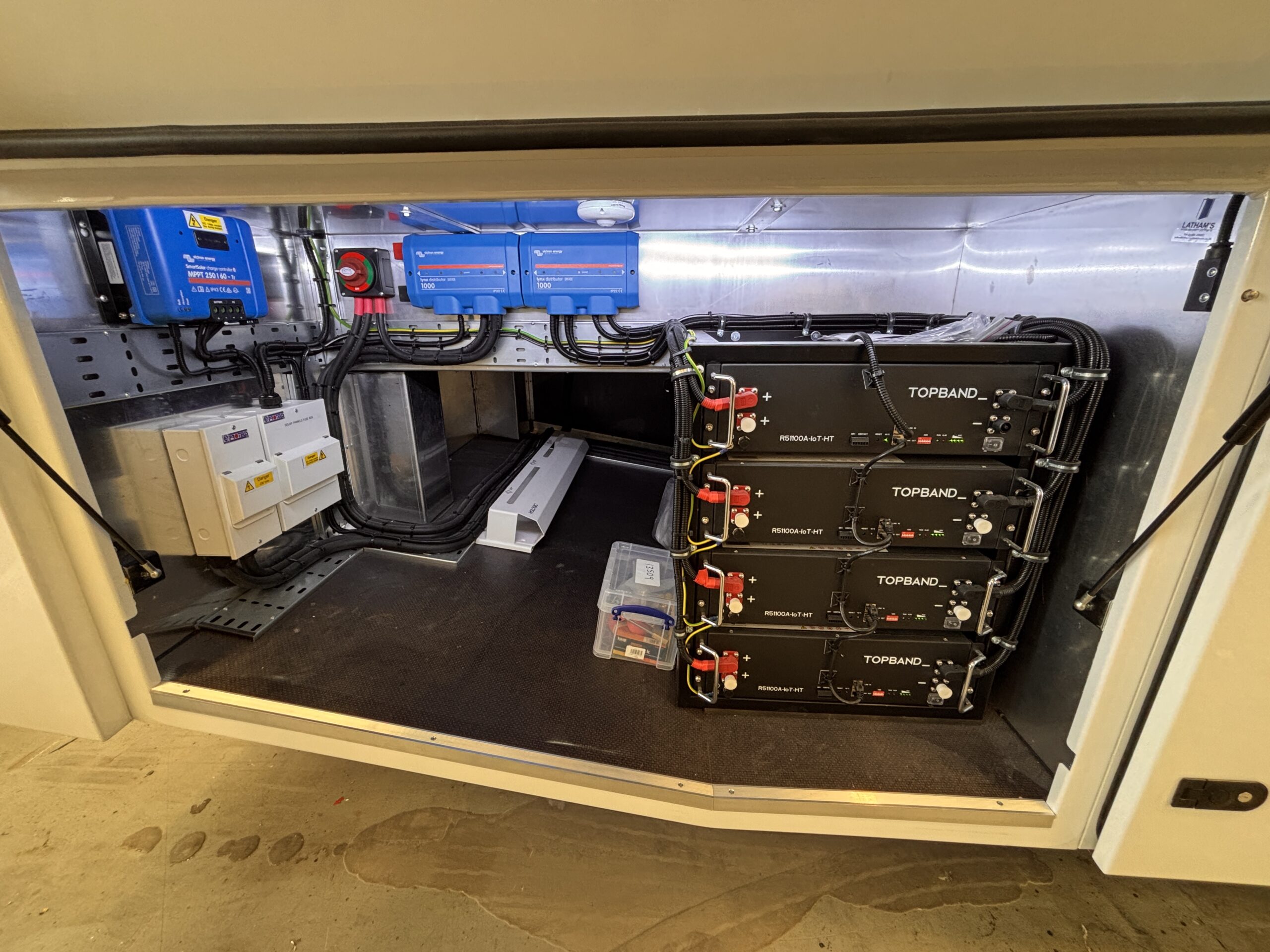
equipped with a hybrid battery, inverter/charger, solar and small-generator
system, with the ability to connect to a standard 32 A single-phase supply when
available.
·
Clinical facilities: reception desk,
waiting seating, two changing cubicles, Hologic screening room, staff
kitchenette and dedicated storage throughout
·
Water provision: 300-litre fresh-water
and 300-litre grey-water tanks, mains water connection, separate water heaters,
kitchen sink and HTM-compliant clinical handwash basin
Hybrid power solution benefits:
·
Quieter operation: stored battery power
allows essential equipment, including the medical fridge and designated
reception socket, to operate without the generator running continuously,
creating a calmer environment for patients and staff
·
Lower fuel use and emissions: the smaller
generator operates only when required to support or recharge the system, with
solar panels providing additional renewable charging
·
Greater site flexibility and continuity: the
units can use their onboard power where mains electricity is unavailable,
connect to a standard 32 A single-phase supply when provided, and maintain
essential services from stored battery power during a loss or changeover of the
external supply
·
Reduced generator wear: fewer running
hours can reduce servicing requirements and extend the generator’s operational
life
·
Automatic power management: the
integrated battery, inverter/charger, solar and generator arrangement uses
available energy efficiently with less day-to-day intervention, while the
power-management screen shows system performance and the energy generated by
the solar panels